How to Assess the Severity of Drywall Damage
Drywall issues are common in many homes, particularly in Blue Ash, OH, where fluctuating weather and humidity can affect structural components throughout the year. Whether your home is newer or has stood for decades, determining the seriousness of drywall damage is crucial for both safety and maintaining property value. Understanding the difference between minor repairs and major concerns can help you act quickly and avoid expensive future repairs. Below, you will find detailed guidance on how to assess drywall damage and recognize when to seek professional help.
Recognizing Cosmetic vs. Structural Drywall Problems
Not all drywall damage means your home is at risk. Some issues are purely surface-level and require basic patching, while others may be symptoms of underlying structural or moisture problems. Common cosmetic damage includes:
- Small nail holes
- Minor dents or scratches from daily use
- Tiny hairline cracks
If your damage fits these examples, a simple drywall repair is usually sufficient. However, larger problems often present visible signs that should not be ignored, especially if they change or worsen over time.
Identifying Water-Related Drywall Concerns
Homeowners may experience water-related drywall issues due to heavy rains and fluctuating humidity. Here are some warning signs that point to moisture damage:
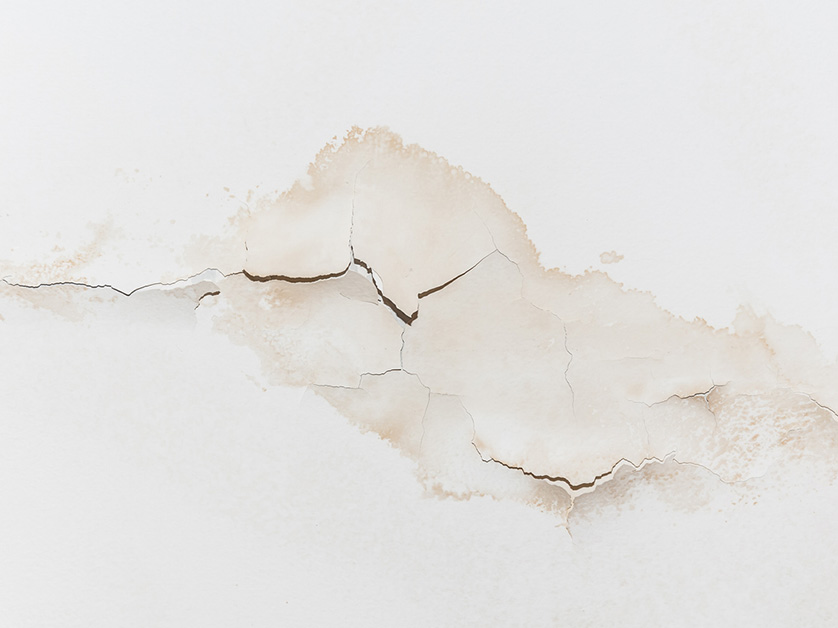
- Yellow or brown stains on walls or ceilings
- Bubbling or peeling paint
- Soft or spongy areas that give when pressed
These symptoms often result from roof leaks, plumbing issues, or excessive condensation. Unaddressed moisture can quickly lead to mold growth and further property damage. If you detect a musty odor or visible mold along with drywall damage, it is important to act quickly.
Assessing Cracks and Movement
Cracks are among the most common drywall problems. While some are harmless, others may signal deeper issues, especially when temperature changes cause building materials to expand and contract. Pay attention to:
- Large, jagged, or expanding cracks
- Cracks wider than 1/8 inch, especially near doors or windows
- Diagonal cracks stretching across walls or ceilings
Such damage could be a sign of foundation settlement, shifting framing, or other significant problems within your home’s structure. Recurring cracks that return even after patching are a reason to consider professionaldrywall repair.
Ceiling and Sagging Issues
Ceiling drywall, more than wall drywall, is prone to sagging when exposed to leaks or affected by poor installation. If you see:
- Sections of the ceiling bowing downward
- Discoloration or dampness, especially after storms
- Sagging accompanied by cracking or separation at seams
You should take prompt action. Not only can sagging drywall pose a safety risk, but it may also indicate roof, insulation, or attic ventilation issues in your home.
When to Call a Professional
Deciding when a DIY repair is enough and when to call for help can be challenging. Minor cosmetic issues may be manageable for some homeowners, but extensive or recurring problems require assessment by a professional handyman. Consider professional drywall services or a full home renovation if:
- Damage recurs despite repairs
- There are signs of moisture, mold, or structural instability
- You are preparing your home for sale or a major remodel and want a thorough assessment
Calling in professionals helps ensure repairs are not only visually clean but also properly address any underlying causes.
Contact Handyman Connection of Mason for Expert Drywall Assessment
If you are uncertain about the severity of drywall damage in your home, Handyman Connection of Mason is ready to help. Our team in Blue Ash, OH, can assess the problem and recommend solutions suited to your needs, with a full range of drywall repair andhome renovation services. Contact us today at (513) 733-3777 or fill out our contact form to schedule an inspection and help ensure your walls and ceilings remain strong, safe, and attractive.
Share:
Related Services